
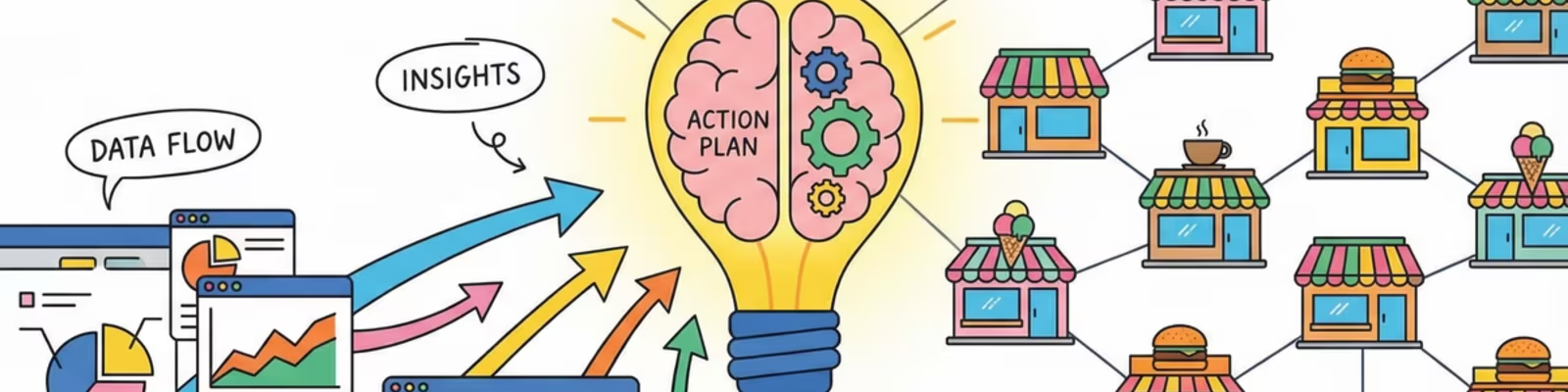
Digitization in franchising: Trends and technologies 2026
Digitization has revolutionised every industry and franchising is no exception. For modern franchise systems, digital transformation is not a pump, but a duty to remain competitive and meet the expectations of partners and customers. Franchise Partner Management is increasingly becoming a technology-driven management hub. But what trends and technologies will franchise in 2026 and beyond? We'll take a look at the future.
The Status Quo: Digitization as an Efficiency Driver
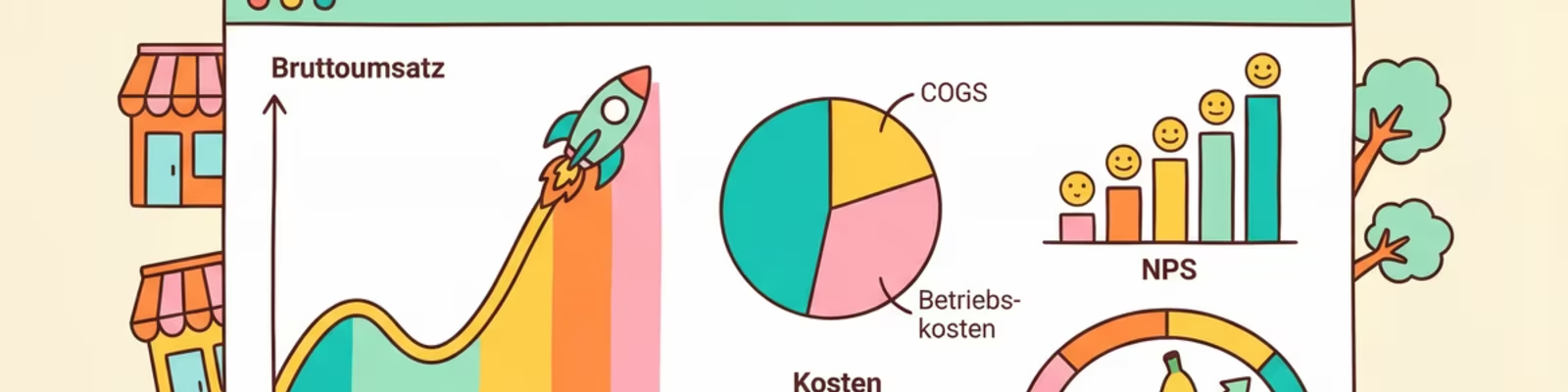
In recent years, digitalization in franchising has been primarily a sign of increased efficiency. The introduction of Franchise Management Software, central intranet platforms and digital manuals has already significantly simplified the communication and management of networks. Automated reporting and operational comparisons, as are standard in modern Franchise Controlling, have increased transparency. But the next wave of digitalization goes far beyond that.
Top 5 Digitization trends in franchising for 2026
The coming years will be characterised by intelligent technologies that not only increase efficiency, but also create completely new opportunities for growth, customer loyalty and partner support.
1. Artificial intelligence (AI) as a co-pilot
Artificial intelligence becomes an integral part of franchise management platforms. According to a forecast by Forbes, AI will further transform the way franchises interact with their customers and enable a personalized speech on a large scale [1].
- Application examples:
Automatized partner support: AI-supported chatbots in the franchise intranet answer standard questions from partners about processes or the manual 24/7.
Predictive analyses: AI algorithms analyse the KPIs of the partners and can point to risks (e.g. decreasing profitability) or unused potentials at an early stage.
Personalized Marketing: AI helps to automatically adapt marketing messages to the local circumstances and target groups of each partner.
2. Hyper automation of processes
Automation will expand from simple, repetitive tasks to more complex workflows. The aim is to create a
Related articles
Matching primary solution
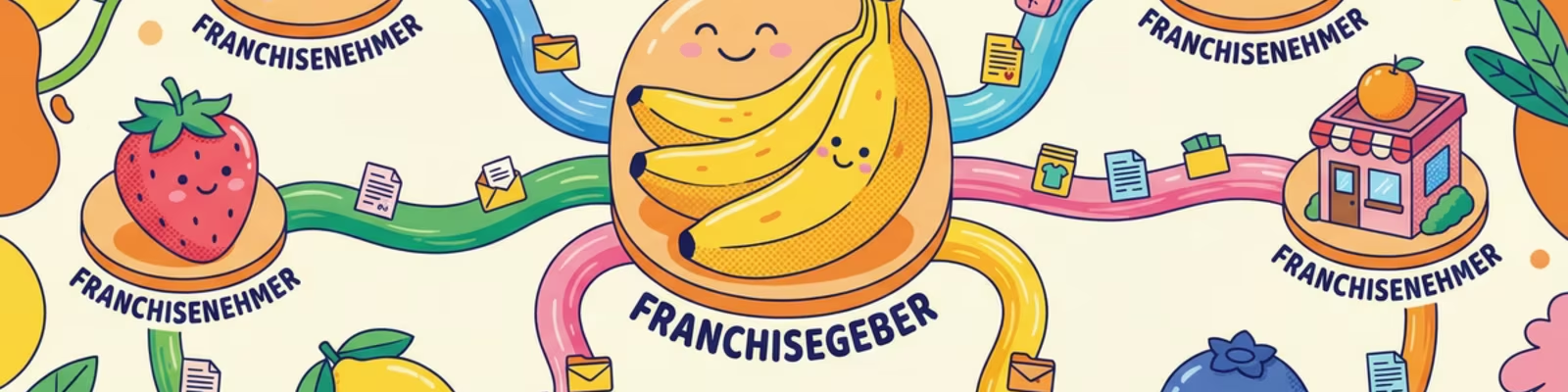
For a deeper feature and rollout context, start from Franchise management software.